
The Technology
Disrupting Real Estate
Real estate is the world's largest asset class — and one of its most inefficient industries. A new wave of property technology startups is changing that fast.
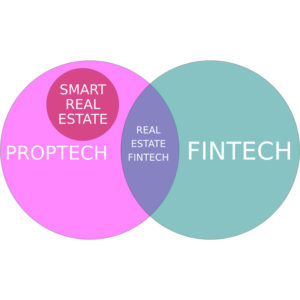
Real estate is the largest and most valuable asset class in the world. It is also one of the most resistant to change. Decades of entrenched processes, fragmented data, and regulatory complexity have kept the industry largely insulated from the technology forces reshaping every other sector.
That insulation is ending. A new generation of startups — operating under the banner of PropTech — is dismantling the traditional real estate model from the inside out.
What Is PropTech?
PropTech — short for Property Technology — refers to the growing sector of startups and technology platforms emerging in response to the real estate industry's longstanding inefficiencies. The term covers the full spectrum of technology and real estate converging: from search and listing engines to AI-driven valuation models and virtual property tours.
The space is also referred to as CREtech (Commercial Real Estate Technology) or REtech (Real Estate Technology), depending on the segment. Regardless of the label, the underlying thesis is the same: an industry this large, this complex, and this consequential cannot remain this outdated.
Where Innovation Is Landing
Property search and listing technology was the first area to see meaningful disruption. Early platforms made it easier for buyers to define and save search criteria — price range, size, location — and be notified automatically when matching listings hit the market.
That baseline has since expanded considerably. Buyers can now filter on granular criteria: lot size, water features, proximity to public land, conservation easements, and livestock allowances. Map-based search has become a primary navigation tool rather than an afterthought.
On the listing side, syndication technology allows a single property listing to be distributed to hundreds of websites with minimal effort, dramatically increasing exposure without increasing workload.
AI and Big Data Valuation
Deep learning models are enabling faster, more accurate property valuations by processing thousands of data points — comparable sales, neighborhood trends, economic indicators — in real time.
Virtual and 3D Property Tours
Advances in video, 3D modeling, and virtual reality allow buyers to tour properties remotely with a level of detail that was impossible just a few years ago — compressing timelines and expanding the buyer pool beyond geographic limits.
Listing Syndication
Modern syndication platforms push a single listing to hundreds of portals simultaneously. What once required manual effort across dozens of systems now happens automatically at the point of publication.
The Barriers That Remain
"Many tech companies do not have access to the industry and its data — locked out by real estate laws, MLS membership requirements, and disclosure regulations."
Progress is real, but the playing field is not level. In many states, disclosure of transaction prices is prohibited by law. Access to comprehensive listing data is restricted to members of local MLS systems. These regulatory structures have historically protected incumbents and slowed the pace of disruption.
Companies like Compass, Homelink, SMS Assist, and OpenDoor Labs crossed the $1 billion valuation threshold in 2016 — proof that breakthroughs are possible — but they are the exception. For most technology entrants, the regulatory environment remains a significant constraint.
Search and Listings (2010–2014)
The first wave addressed the most visible problem: helping buyers find properties and helping sellers reach more of them. Zillow, Trulia, and their peers defined this era.
Transaction and Brokerage Disruption (2015–2018)
The second wave targeted the transaction itself — commission structures, closing processes, and agent relationships — with platforms designed to reduce friction and cost.
AI, Data, and Infrastructure (2019–Present)
The current wave is less visible but more consequential. AI-driven valuation, predictive analytics, and smart building technology are remaking the underlying infrastructure of the entire industry.
What Comes Next
Investor confidence in PropTech remains high. The consensus among venture capital firms active in the space is that significant capital will continue flowing into real estate technology — not despite the industry's complexity, but because of it. The harder the problem, the larger the opportunity.
The traditional brokerage model is not going away overnight. But the forces reshaping it — transparency, data access, AI, and a generation of buyers who expect digital-first experiences — are not slowing down either.
The real estate industry's inefficiencies are not a flaw in the system. For PropTech, they are the business opportunity.
Statistics referenced from industry reports covering the period 2011–2016. The PropTech sector has continued to evolve significantly since this data was recorded.